Analyzing Biometric Verification Trends Shaping Access Controls at Licensed Betting Operators
Hugo Butler · Jun 4, 2026
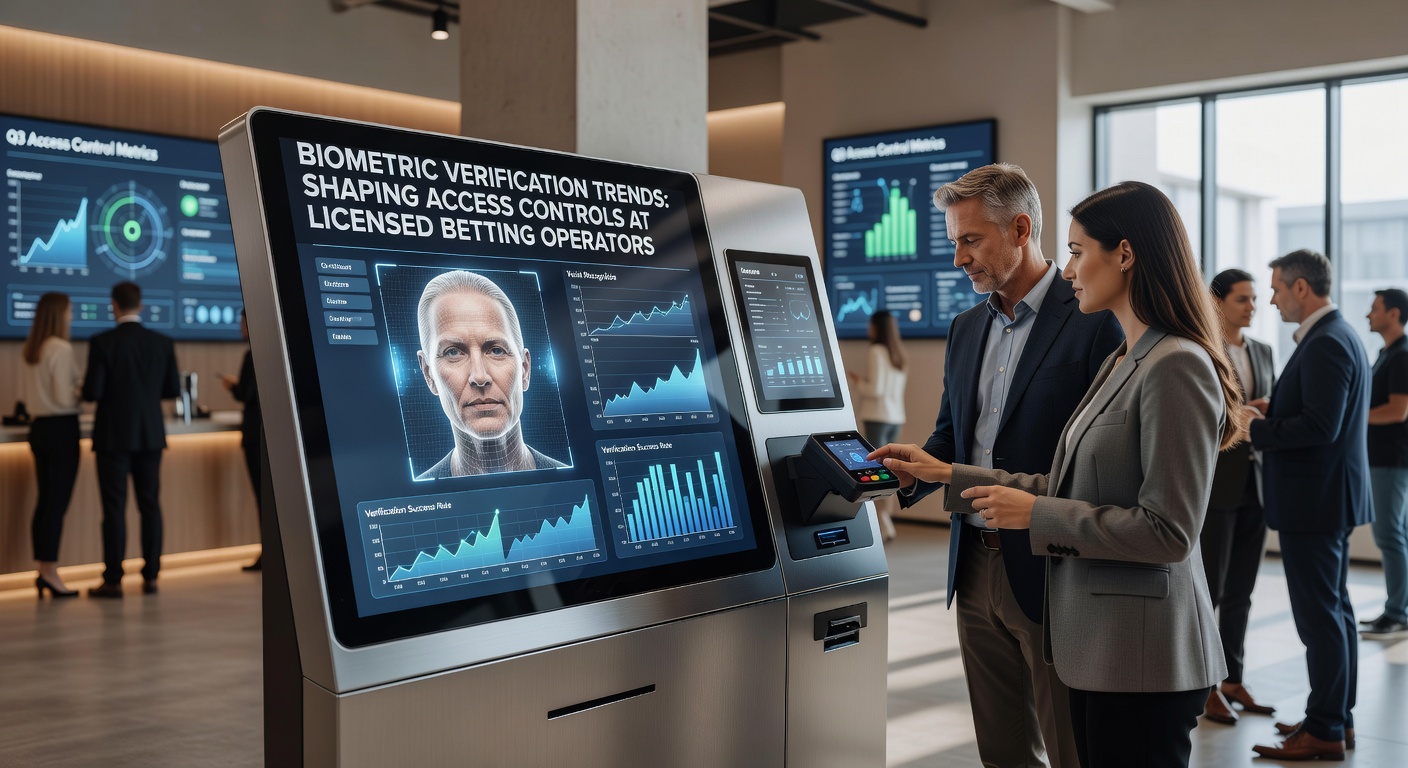
Analyzing Biometric Verification Trends Shaping Access Controls at Licensed Betting Operators
Biometric verification has moved from optional add-on to core component in how licensed betting operators manage user access, and the pace of adoption picked up sharply through the first half of 2026. Operators now combine facial recognition, fingerprint matching, and behavioral analytics to confirm identity at login, during high-value transactions, and when accounts show unusual activity patterns. These layered checks replace or supplement traditional passwords and one-time codes, reducing account takeover incidents while meeting stricter regulatory expectations for responsible access management.
Current Technology Landscape
Modern systems rely on a mix of modalities rather than a single method. Facial recognition handles initial onboarding and periodic re-verification, while fingerprint or palm-vein readers manage quick session access on mobile apps and self-service kiosks. Behavioral signals such as typing rhythm, device tilt, and navigation speed run continuously in the background, flagging deviations that trigger additional biometric prompts. Integration with existing customer-relationship platforms allows operators to adjust verification intensity based on risk scores derived from betting volume, location history, and prior compliance flags.
By June 2026 several major platforms reported rolling out liveness-detection upgrades that distinguish live faces from photos or deepfake attempts, a direct response to rising synthetic-media threats documented in industry security briefings. These upgrades operate through infrared depth mapping and micro-movement analysis, completing checks in under two seconds on standard smartphones.
Regulatory Pressures Driving Adoption
State and provincial regulators have tightened expectations around identity assurance. The Alcohol and Gaming Commission of Ontario updated its technical standards in early 2026 to require multi-factor authentication that includes at least one biometric element for accounts exceeding certain deposit thresholds. Similar language appears in revised rules from teh New Jersey Division of Gaming Enforcement, which now mandates annual third-party audits of biometric false-accept and false-reject rates. Operators must demonstrate that their systems maintain error rates below published thresholds or face remediation orders and potential license conditions.
Research published by the University of Nevada, Las Vegas International Gaming Institute in May 2026 examined verification logs from six U.S. operators and found that biometric prompts reduced manual identity reviews by 47 percent while cutting suspected account-sharing cases by 31 percent over a twelve-month period. The study also noted shorter average session start times once users completed initial enrollment, indicating that convenience gains can accompany stronger controls when implementation follows user-centered design practices.
Operational Impacts on Access Workflows
Access control procedures have shifted from static credential checks to dynamic, context-aware gates. A user logging in from a recognized device in a familiar jurisdiction may complete verification with a passive facial scan alone, whereas the same account accessed from a new country or after a long dormant period triggers fingerprint confirmation plus behavioral analysis. This tiered approach keeps friction low for routine play while concentrating resources on higher-risk events.

Support teams report fewer password-reset tickets after biometric enrollment, freeing staff to handle more complex compliance queries. At the same time, operators must maintain fallback procedures for users whose biometrics fail due to injury, lighting conditions, or hardware limitations. These fallbacks typically route to video verification with a human agent or temporary account restrictions until identity can be confirmed through alternative documents.
Privacy and Data Governance Considerations
Biometric templates are stored as encrypted mathematical representations rather than raw images, yet storage location and retention policies remain points of regulatory scrutiny. Several Canadian provinces now require that templates reside on servers within national borders, while some U.S. states permit cloud processing only when providers meet specific encryption and access-logging standards. Operators that expanded into multiple jurisdictions in 2025 and 2026 have adopted federated architectures allowing regional data residency without fragmenting the overall verification platform.
Industry associations including the American Gaming Association have published voluntary guidelines encouraging operators to offer users clear consent flows and simple template-deletion options. These guidelines emphasize transparency about what data is collected, how long it is retained, and under what circumstances it may be shared with regulators or law-enforcement agencies.
Emerging Patterns and Future Directions
Observers note growing interest in contactless palm-vein and periocular recognition, which function reliably even when users wear masks or operate in low-light environments common at sports venues. Pilot programs at several European and Australian venues during the 2026 spring racing and football seasons tested kiosk-based palm scanners linked directly to central wagering systems, cutting entry queues while maintaining audit trails required by venue licensing rules.
Artificial-intelligence models that continuously refine risk thresholds based on aggregated anonymized data are also gaining traction. These models adjust verification frequency dynamically, increasing prompts during periods of elevated fraud reports and relaxing them when patterns stabilize. Early deployments indicate that such adaptive systems can maintain security targets while lowering average user interruption rates compared with fixed-rule approaches.
Conclusion
Biometric verification trends continue to redefine access controls at licensed betting operators by combining multiple modalities, tightening regulatory alignment, and embedding privacy safeguards into operational workflows. Data from regulatory filings and independent research through June 2026 shows measurable reductions in identity-related incidents alongside improvements in session efficiency once enrollment hurdles are cleared. Operators that maintain flexible, auditable systems while respecting jurisdictional data rules position themselves to meet both current compliance demands and anticipated advances in synthetic-media detection and behavioral analytics.