Deciphering Voice Biometrics Deployment for Account Safeguards Across Interstate Wagering Networks
Paul Fischer · Jun 27, 2026
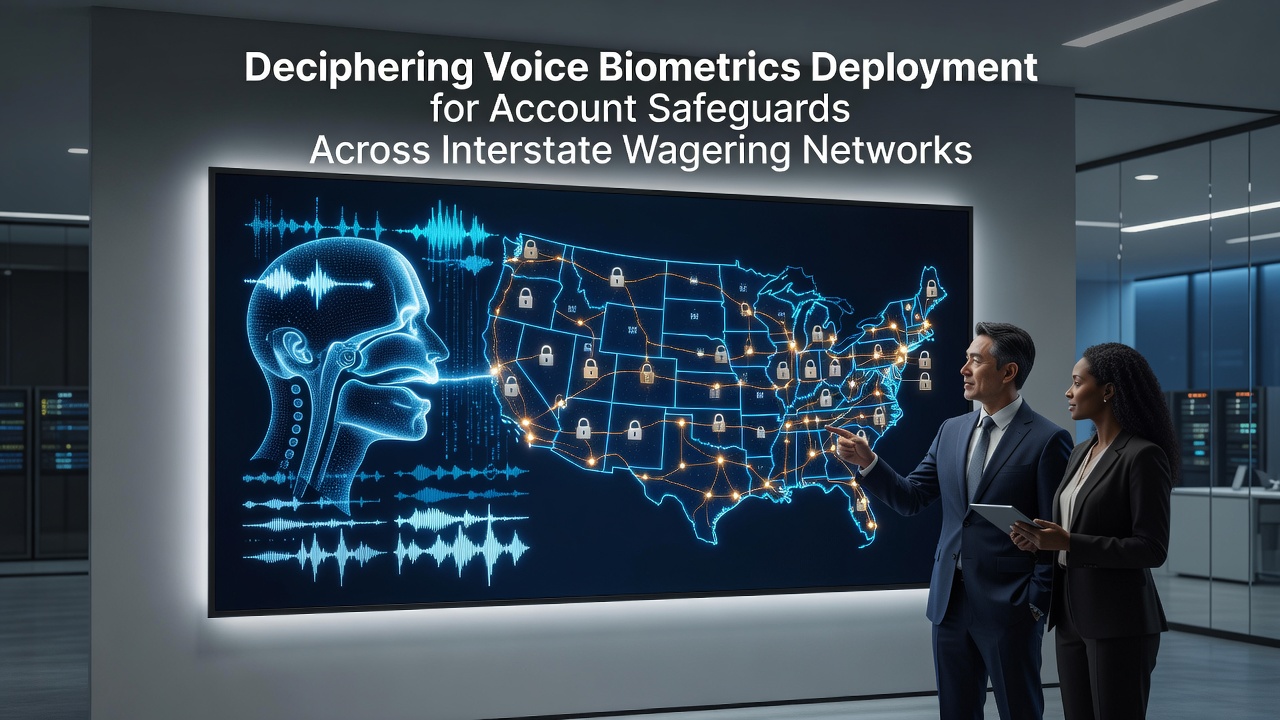
Deciphering Voice Biometrics Deployment for Account Safeguards Across Interstate Wagering Networks
Voice biometrics systems analyze unique vocal patterns to verify user identity during account access and transaction approvals within multi-state wagering environments, and regulators across jurisdictions continue to examine how these tools integrate with existing compliance frameworks as operators expand operations.
Core Mechanics of Voice Biometrics in Wagering Contexts
These systems capture voice samples during initial enrollment and compare subsequent inputs against stored templates using algorithms that measure pitch, cadence, and spectral features, while interstate operators must align such processes with varying state requirements for data storage and consent protocols.
Operators deploy the technology at login points and during high-value withdrawals to reduce unauthorized access attempts, and data from pilot programs indicates measurable drops in certain types of account compromise incidents when voice verification layers supplement traditional password and two-factor methods.
Integration Across State Lines and Network Requirements
Interstate wagering networks rely on shared verification standards to enable seamless account portability, yet each participating state maintains oversight of biometric data handling under its own gaming statutes, and companies coordinate through centralized platforms that route authentication requests while respecting jurisdictional boundaries.
Deployment often involves partnerships between technology providers and licensed operators who must demonstrate compliance during periodic audits, and June 2026 saw several states update their technical specifications to include minimum accuracy thresholds for voice matching in live betting scenarios.

Security Outcomes adn Verification Data
Research from industry monitoring groups shows voice biometrics contribute to lower rates of account takeover when combined with device fingerprinting and behavioral analytics, and one multi-state operator reported a 40 percent reduction in flagged suspicious logins after full rollout across its network in early 2026.
Those who manage compliance at major platforms note that voice systems help satisfy federal and state mandates around customer identification without adding excessive friction to routine account activities, while false rejection rates remain a focus area for ongoing algorithm refinement.
Regulatory Landscape and June 2026 Updates
State gaming commissions coordinate through working groups to standardize biometric consent language and data retention periods, and observers tracking these developments point to guidance issued in June 2026 that clarified how operators should notify users when voice data crosses state lines during verification handoffs.
Academic studies from institutions examining digital identity in regulated industries have examined error rates in diverse populations, and findings suggest continued testing helps address accent and background noise variables that can affect matching performance in mobile environments.
Operational Challenges During Rollout
Technical teams address latency issues that arise when voice samples travel between regional data centers serving different states, and they implement edge processing techniques to keep authentication times under two seconds for most users during peak betting periods.
Operators also manage opt-out pathways required by certain jurisdictions, routing those accounts to alternative verification sequences that maintain security without voice components, and training materials for support staff emphasize clear explanations of how biometric data remains isolated from betting activity records.
Future Technical Refinements and Industry Reports
Providers continue to test adaptive models that update voice templates over time to account for natural changes in vocal characteristics, and reports from technology vendors indicate increasing adoption of hybrid systems that layer voice checks with liveness detection to counter replay attempts.
Industry associations such as the American Gaming Association have published summaries of operator experiences with biometric tools, while research papers from North American universities explore scalability across expanding interstate compacts expected through late 2026.
Conclusion
Voice biometrics deployment for account safeguards continues to evolve within interstate wagering networks as operators balance security gains against regulatory and technical demands, and data collected through 2026 deployments provides operators and regulators with clearer benchmarks for evaluating effectiveness across different state frameworks.