Mapping Interoperability Standards Between Third-Party Odds Aggregators and Multi-Jurisdiction Licensed Platforms
Nils Bennett · Jul 28, 2026
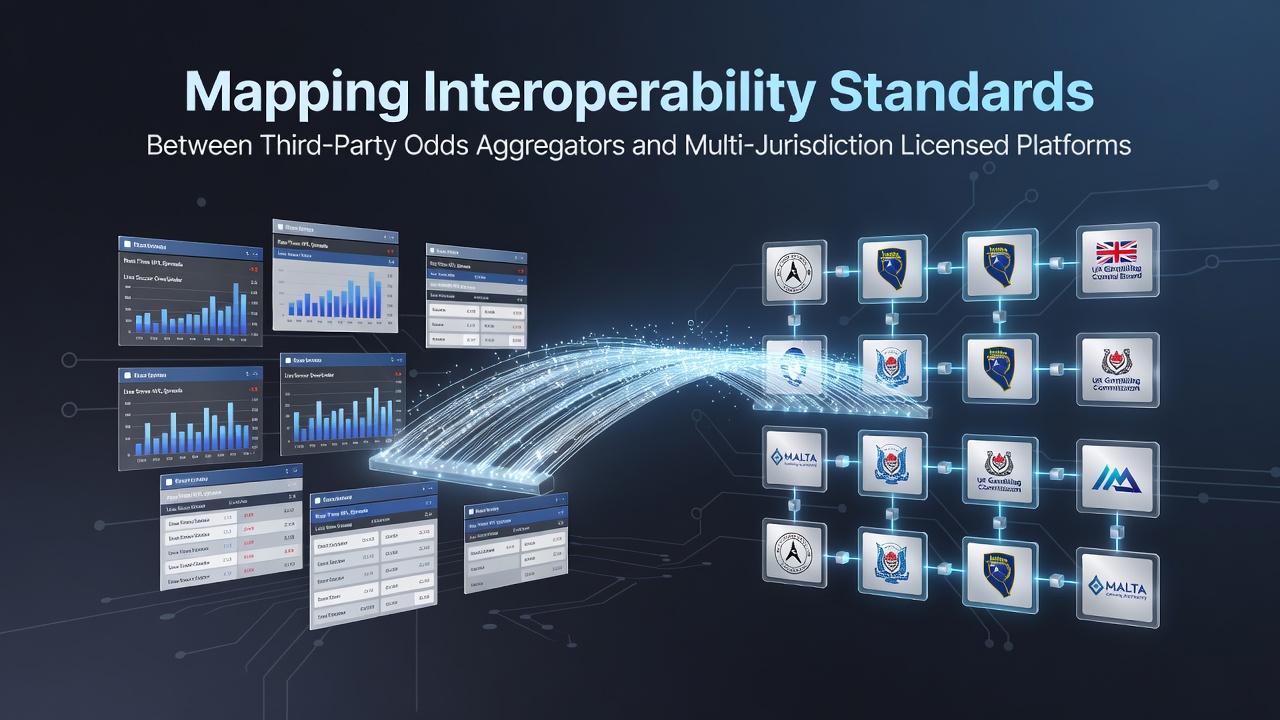
Mapping Interoperability Standards Between Third-Party Odds Aggregators and Multi-Jurisdiction Licensed Platforms
Odds aggregators collect pricing data from multiple sources and supply it to licensed operators who manage platforms across several regulatory regions, so interoperability standards have become essential for maintaining accurate feeds while meeting local compliance rules. These standards cover API formats, data encryption protocols, and real-time synchronization methods that allow third-party providers to connect with operators holding licenses in places like Ontario, Malta, and various Australian states.
Core Technical Requirements for Data Exchange
Operators rely on structured JSON schemas and RESTful endpoints that define how odds updates travel from aggregator servers to platform databases, and regulators in multiple jurisdictions now require documentation of these exchange methods during licensing reviews. Data from the Alcohol and Gaming Commission of Ontario shows that platforms must log every odds transmission with timestamps and source identifiers to support audit trails, while similar rules appear in Malta Gaming Authority guidelines that emphasize auditability across borders.
Encryption standards such as TLS 1.3 combined with token-based authentication prevent unauthorized access during transmission, and aggregators must map their internal data models to jurisdiction-specific requirements without altering the underlying probabilities. Those who've implemented these mappings report that conversion layers handle differences in tax reporting fields and responsible gambling flags that vary by region.
Regulatory Variations Across Jurisdictions
Each licensing authority sets its own expectations for data residency and reporting frequency, which forces aggregators to build modular compliance engines rather than single global pipelines. In July 2026 several Canadian provinces updated their technical specifications to require additional fields for player location verification, prompting aggregators to adjust their output formats within weeks of the announcements.
European operators face separate demands under national implementations of the EU's digital services framework, where consumer protection data must accompany every odds packet sent to the front end. This creates layered mapping exercises because an aggregator serving both Ontario and German state-licensed platforms must maintain distinct transformation rules for the same core event data.
Implementation Approaches Used by Industry Participants
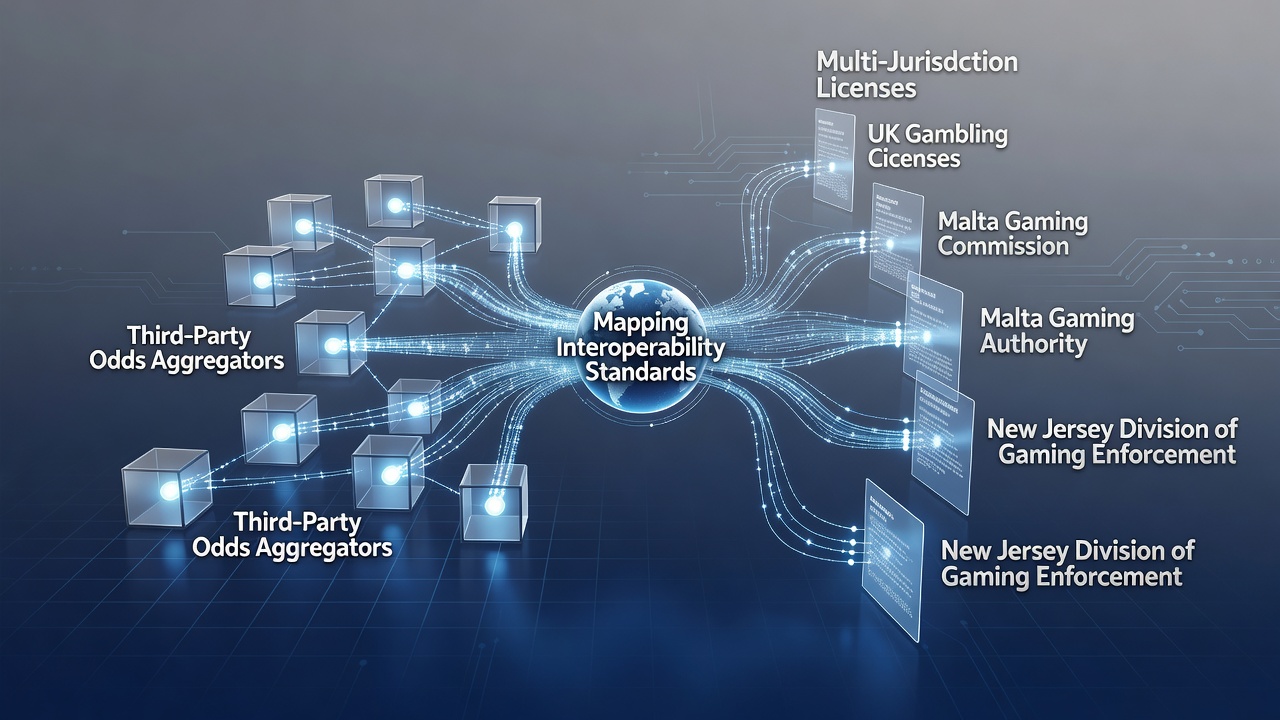
Some platforms adopt middleware solutions that sit between the aggregator and the core betting engine, translating incoming feeds according to rules stored in jurisdiction-specific configuration files. Observers note that these middleware layers reduce the need to rebuild aggregator connections each time a new regulatory update appears, and case studies from operators in New Jersey and the Netherlands illustrate how configuration-driven mapping cut integration timelines from months to weeks.
Others pursue direct API partnerships where the aggregator provides customized endpoints tailored to each licensee's required schema, and figures from industry reports indicate this approach works well when volume justifies the development cost. Researchers at institutions studying gambling technology have documented how standardized test suites now verify that mapped data retains statistical integrity after transformation, preventing rounding errors that could affect payout calculations.
Challenges in Maintaining Consistent Standards
Latency requirements create tension because real-time odds must reach the platform within strict windows, yet additional compliance checks and mapping steps can introduce delays. Aggregators address this by running parallel validation processes that flag non-compliant records before they reach the operator, and multi-jurisdiction platforms maintain separate queues for different regulatory streams to isolate any processing bottlenecks.
Version control of mapping rules also demands attention, since one jurisdiction may revise its data dictionary while others remain unchanged, and operators track these revisions through centralized registries that push updates to connected systems automatically. Data from the European Gaming and Betting Association reveals that platforms with automated registry checks experienced fewer compliance incidents during the first half of 2026 compared with those relying on manual monitoring.
Future Developments in Cross-Border Integration
Industry groups continue to explore unified schemas that could reduce the number of custom mappings required, although adoption depends on regulatory alignment that remains uneven across regions. In July 2026 discussions at international forums focused on extending existing ISO standards for gambling data to cover aggregator-to-operator flows more explicitly, and several aggregators began pilot programs to test these extensions with licensees in Australia and Canada.
Security certifications such as SOC 2 and ISO 27001 already serve as common baselines, yet additional jurisdiction-specific attestations still apply, creating ongoing administrative overhead for companies operating across multiple markets. Those tracking these developments expect further refinement of mapping tools as more jurisdictions publish detailed technical appendices alongside their licensing conditions.
Conclusion
Mapping interoperability standards between third-party odds aggregators and multi-jurisdiction licensed platforms requires coordinated technical, regulatory, and operational efforts that continue to evolve with new licensing frameworks. Platforms and aggregators that maintain flexible mapping layers and automated compliance checks position themselves to adapt when additional jurisdictions introduce updated data requirements, and ongoing industry collaboration supports more consistent approaches across borders.