Unpacking the Tech Infrastructure Behind Rapid Cashouts in State-Licensed Wagering Platforms
Tina Vogel · Aug 11, 2026

Unpacking the Tech Infrastructure Behind Rapid Cashouts in State-Licensed Wagering Platforms
Legal sportsbooks across the United States rely on intricate data pipelines that move information from bet settlement through verification steps and into withdrawal approvals within seconds, and these systems have grown more sophisticated as multi-state operations expanded through August 2026. Operators connect transaction requests to banking partners, identity databases, and risk engines that process millions of data points simultaneously without creating bottlenecks that could delay payouts.
Core Components of Real-Time Payout Architecture
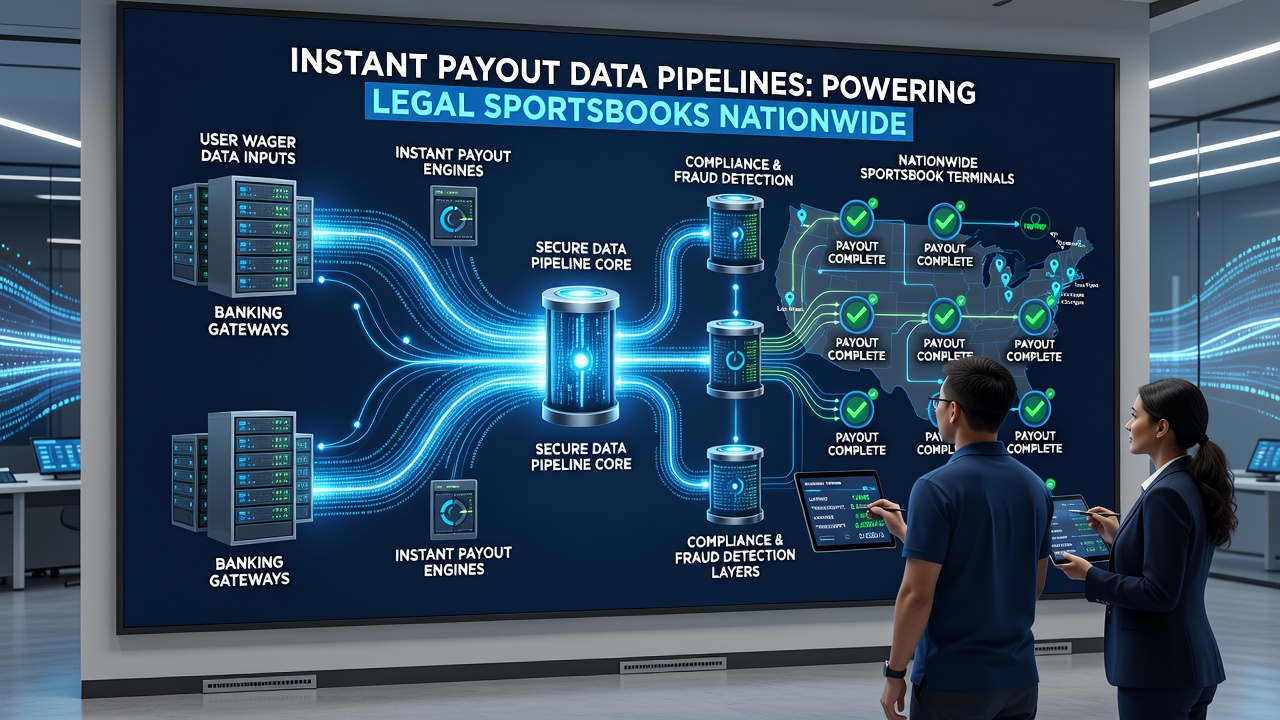
Data ingestion layers capture every wager outcome from sportsbook platforms and route those results into streaming frameworks such as Apache Kafka clusters, while downstream services apply rule sets that confirm bet status before triggering any fund movement. Observers note that these ingestion points must handle variable loads during major sporting events when simultaneous settlements spike, yet the architecture maintains consistent throughput by distributing workloads across geographically dispersed nodes.
Verification modules then query centralized databases that store player KYC records, transaction histories, and compliance flags from multiple state regulators, and this cross-referencing occurs in milliseconds because operators index data using distributed caches rather than relying on synchronous database calls. Research from industry monitoring groups shows that successful instant payout systems complete these checks before the withdrawal request even reaches the payment processor stage.
Integration with Financial Networks and Compliance Layers
Once verification clears, payout instructions travel through secure APIs to partner banks or payment facilitators that support instant settlement rails such as RTP or FedNow in the United States, and similar frameworks operate in other regulated markets. Data pipelines incorporate encryption at every hop and maintain audit logs that state gaming commissions can review during routine examinations. According to figures published by the New Jersey Division of Gaming Enforcement, operators using these layered pipelines reported average withdrawal processing times under thirty seconds for verified accounts during the first half of 2026.
Fraud detection engines sit parallel to the main flow and apply machine learning models trained on historical patterns, flagging anomalies without halting the entire pipeline for legitimate transactions. Those who've studied these implementations point out that false positive rates have declined as models incorporate more granular signals including device fingerprinting and behavioral biometrics collected at login time.
Scalability Challenges During Peak Periods
August 2026 brought additional pressure as several states launched new mobile sportsbooks ahead of football season, increasing concurrent user volumes and testing pipeline resilience. Operators responded by implementing auto-scaling clusters that spin up additional processing capacity based on queue depth metrics, and monitoring dashboards provide real-time visibility into latency at each stage. One study released by the Canadian Gaming Association highlighted comparable infrastructure patterns among North American operators seeking to maintain sub-minute payout windows even when transaction volumes triple during championship weekends.
Disaster recovery protocols replicate data across primary and secondary regions so that a regional outage does not interrupt ongoing payout sequences, and failover mechanisms reroute traffic within seconds while preserving transaction integrity. Regulators in multiple jurisdictions require documented testing of these recovery procedures at least quarterly, and operators publish summaries of those exercises in annual compliance reports.
Future Developments in Payout Data Handling
Emerging standards around open banking and standardized API schemas are beginning to influence how sportsbooks structure their outbound payment connections, allowing smoother handoffs between internal systems and external financial institutions. Academic papers from institutions tracking fintech adoption in gaming note that these standardized interfaces reduce custom integration work while preserving the security and audit requirements demanded by state oversight bodies.
Continued refinement of real-time analytics also lets operators surface payout performance metrics to players through in-app status updates, and this transparency stems directly from the same data pipelines that drive the underlying transactions. As more states finalize their regulatory frameworks through late 2026, pipeline designs continue to evolve around new reporting obligations without sacrificing the speed that players have come to expect.
Conclusion
The data pipelines powering instant payouts represent a convergence of streaming technology, regulatory compliance systems, and financial network integrations that together enable legal sportsbooks to deliver withdrawals at scale. These architectures continue to adapt as transaction volumes rise and new state markets open, with operators relying on distributed processing and layered verification to meet both speed and oversight demands.